IndyRadar | Live-ops dashboard for Aura & CRDB
Monitors Neo4j Aura and CockroachDB clusters to flag orphaned/duplicate instances and cost/health anomalies in real time.
Lead Product Designer & Frontend Engineer | 2024 - 2025
Snapshot
What: Internal live-ops web app unifying Neo4j Aura + CockroachDB signals for management and ops.
Who: Ops leadership, SRE/DBA, engineering managers.
My Role: Discovery → UX/UI → React/Next.js build (dashboards, auth, state), plus CI/CD and release hygiene.
Stack: Next.js 14, TypeScript, NextAuth (Google OAuth), SWR, OpenAPI/REST, Neo4j Aura + CRDB, GCP Cloud Run/Build.
Outcomes: Lighthouse 95+ in production • Issues surfaced before customers • Faster triage via real-time error/cost views.
Outcomes
- Shipped at Lighthouse 95+ in production.
- Issues surfaced before customers via real-time error and cost views.
- Faster triage for ops and leadership; single source of truth across Neo4j Aura and CRDB.
Problem → Insight
- Problem: Hidden orphan/duplicate instances and fragmented signals created blind spots and delayed response.
- Insight: A single, low-latency dashboard with opinionated views and alerts would make risk and cost visible and actionable for ops and managers.
What I did (design + build)
- Drove discovery with ops and management; defined top questions and alert thresholds.
- Designed dashboards for instance health, costs, and anomalies; prioritized signal-to-noise.
- Built Next.js 14/TypeScript UI: auth with NextAuth (Google OAuth), data fetching with SWR, OpenAPI/REST integration, guarded routes.
- Set up CI/CD on GCP Cloud Build/Run; smoke tests and performance budgets; release hygiene.
How it works (compact flow)
- Google OAuth via NextAuth; roles gate access.
- API layer aggregates Aura and CRDB metadata and metrics.
- SWR keeps views live; anomaly rules highlight risk and spend.
- Users drill from fleet to instance; actions link to source systems.
- CI checks perf and critical flows before deploy.
Selected screens
Fleet overview: risk and spend across Aura + CRDB in one view; drill into any tenant or cluster.
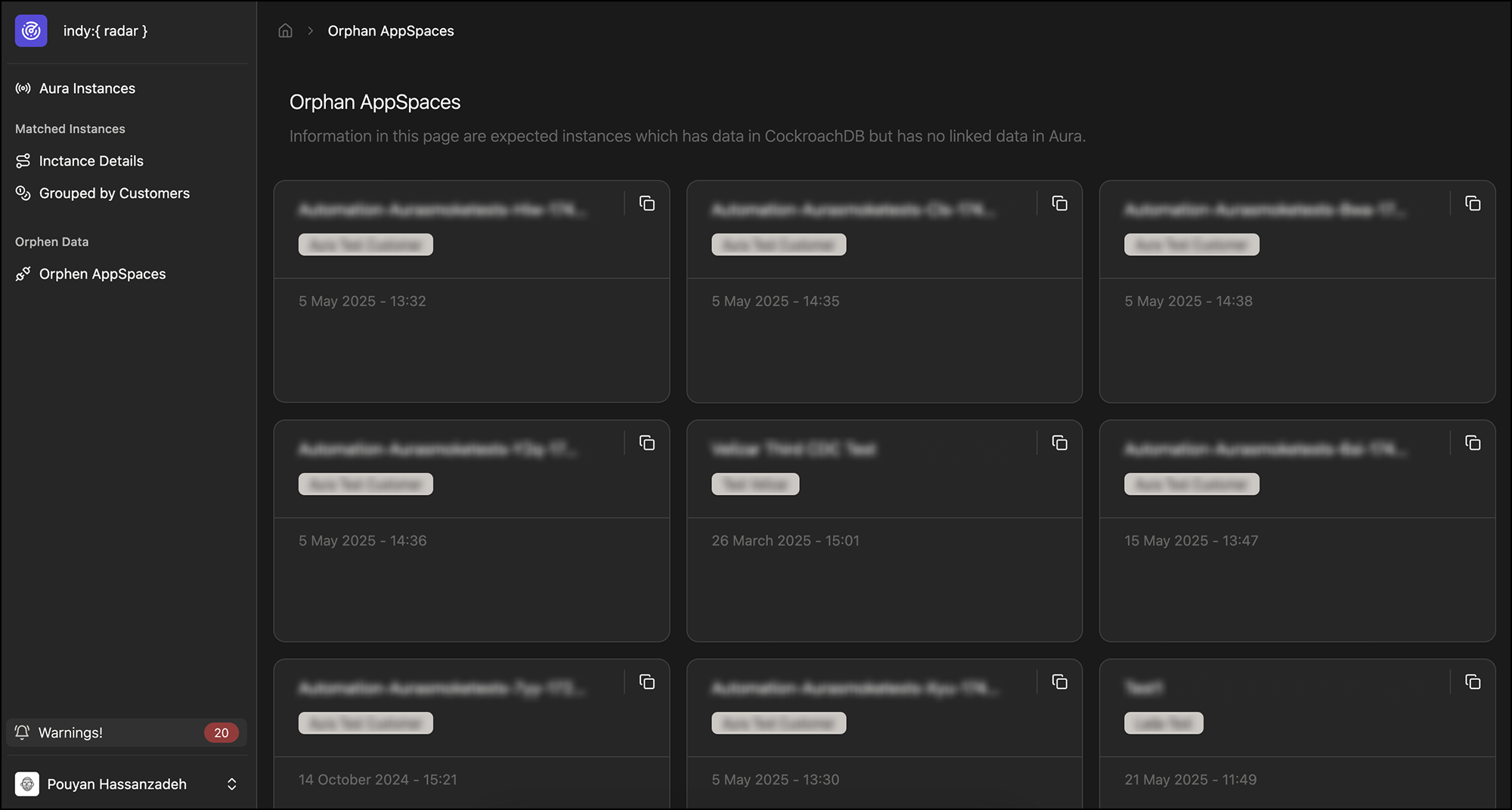
Unified orphan/duplicate records: cross-store matches flag hidden risks and wasted cloud spend before customers notice.
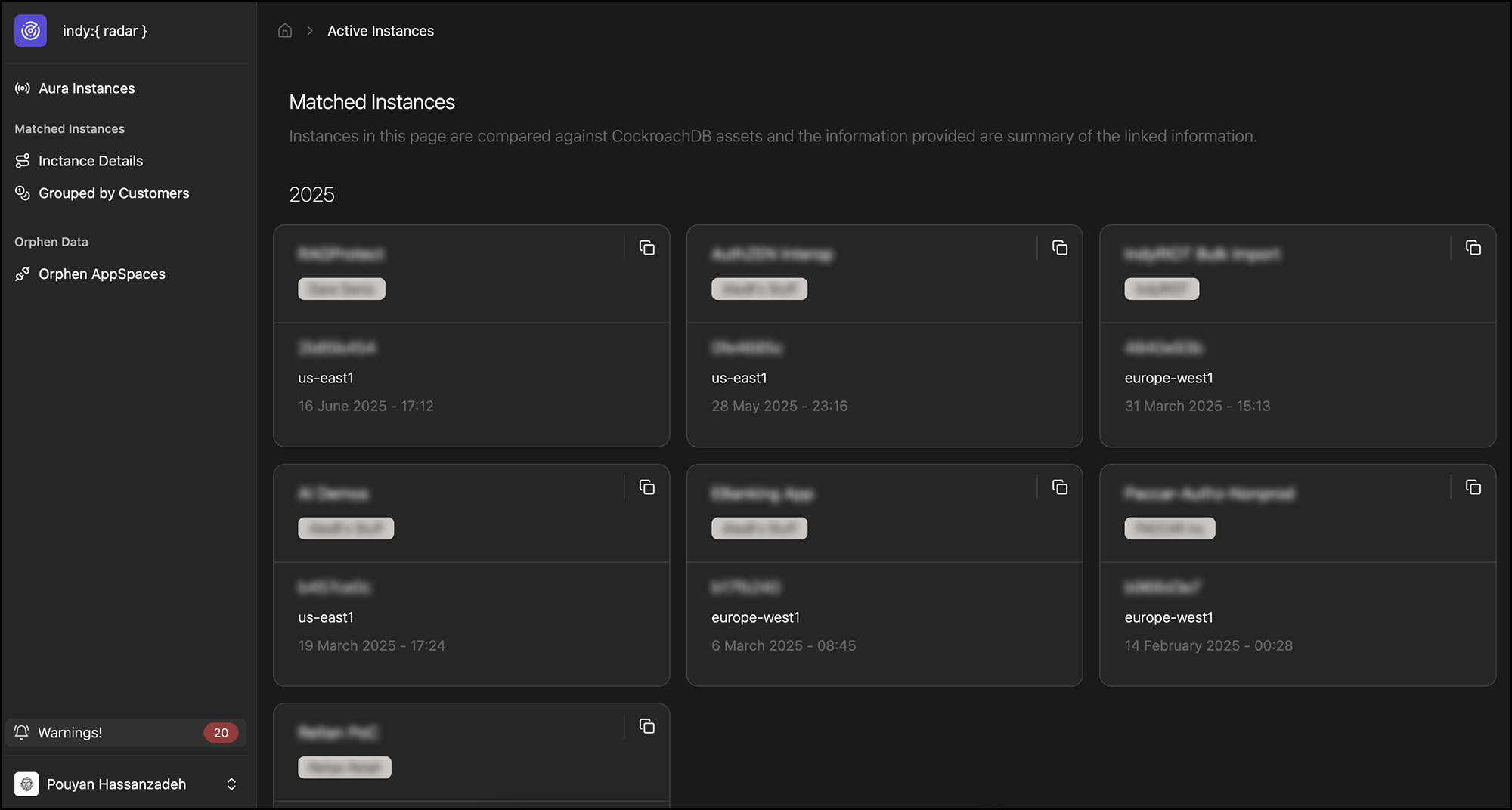
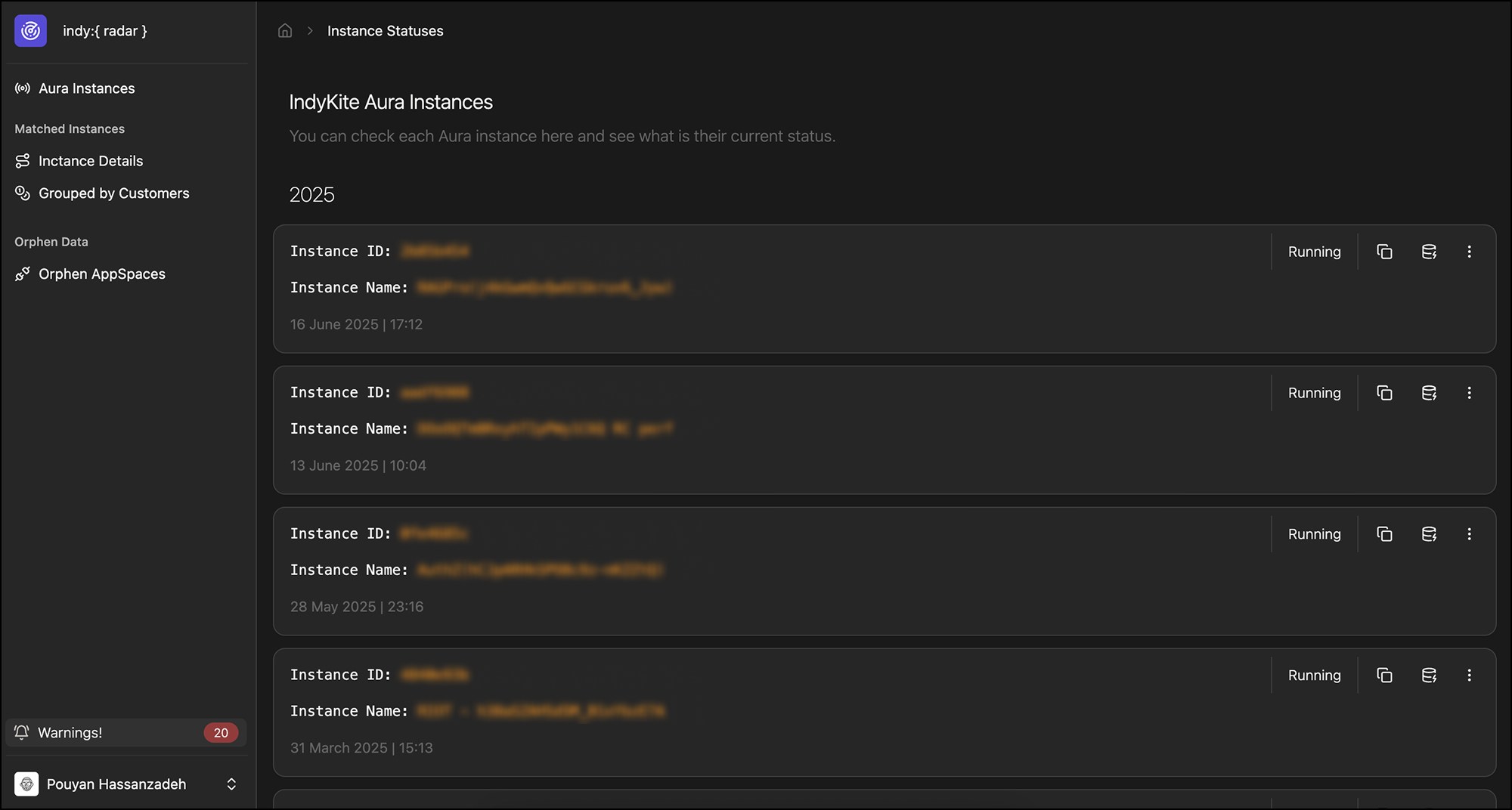
Matched instances: status badges and grouping reveal duplicates instantly; triage starts from the row.
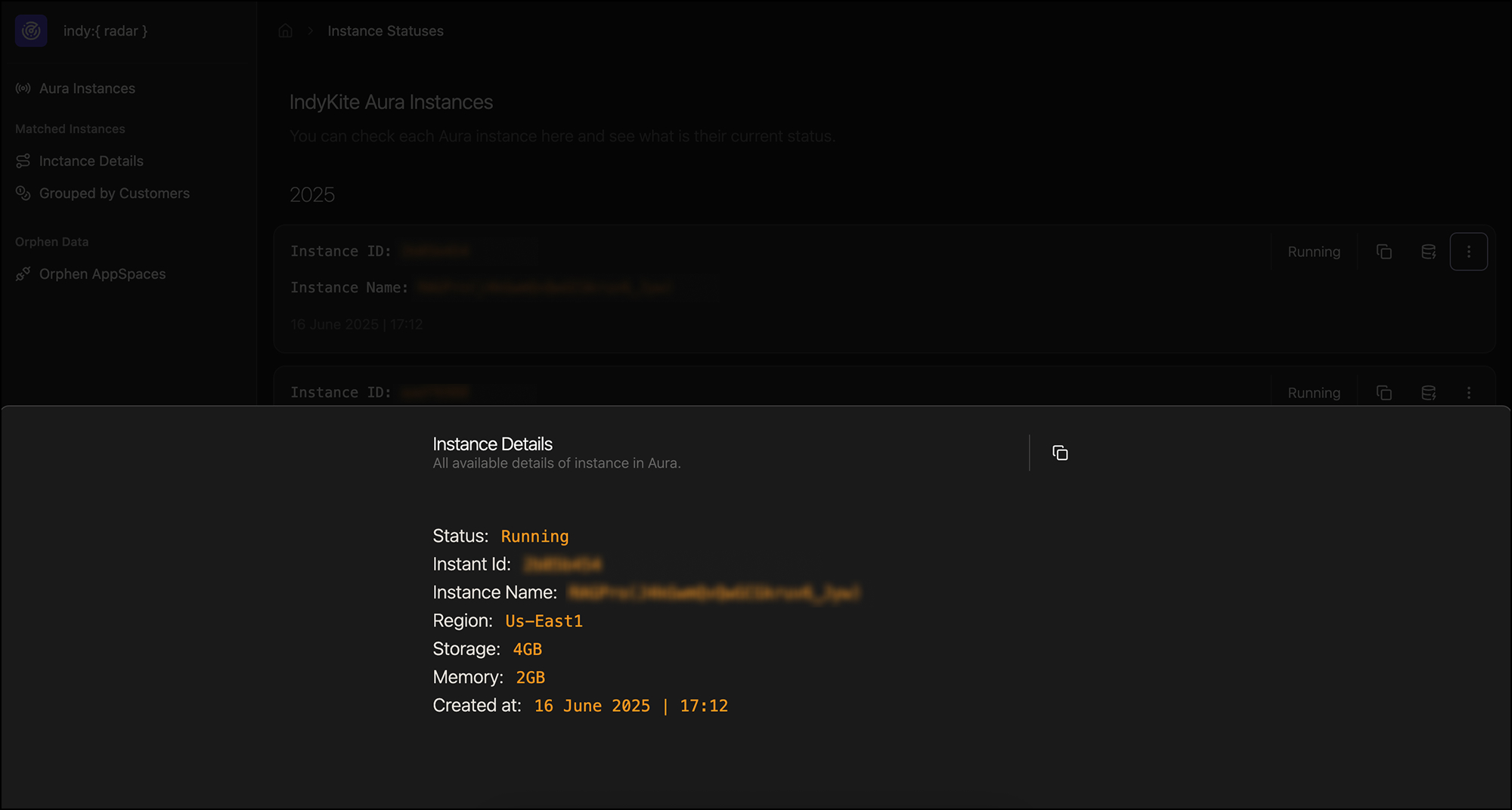
Instance detail: health, errors, recent changes and cost trend in one place—designed for fast, confident decisions.
Google OAuth + roles: access is gated by org role; sensitive routes guarded in UI and API.
Trade-offs & constraints
- Started with REST/OpenAPI for speed; postponed graph queries beyond simple lookups.
- Alerting remains informational in v1; automated remediation intentionally deferred.
What’s next
- Alert subscriptions and weekly digest for leadership.
- Cost attribution per team/project; spend guardrails.
- Deeper graph views for lineage and dependency impact.